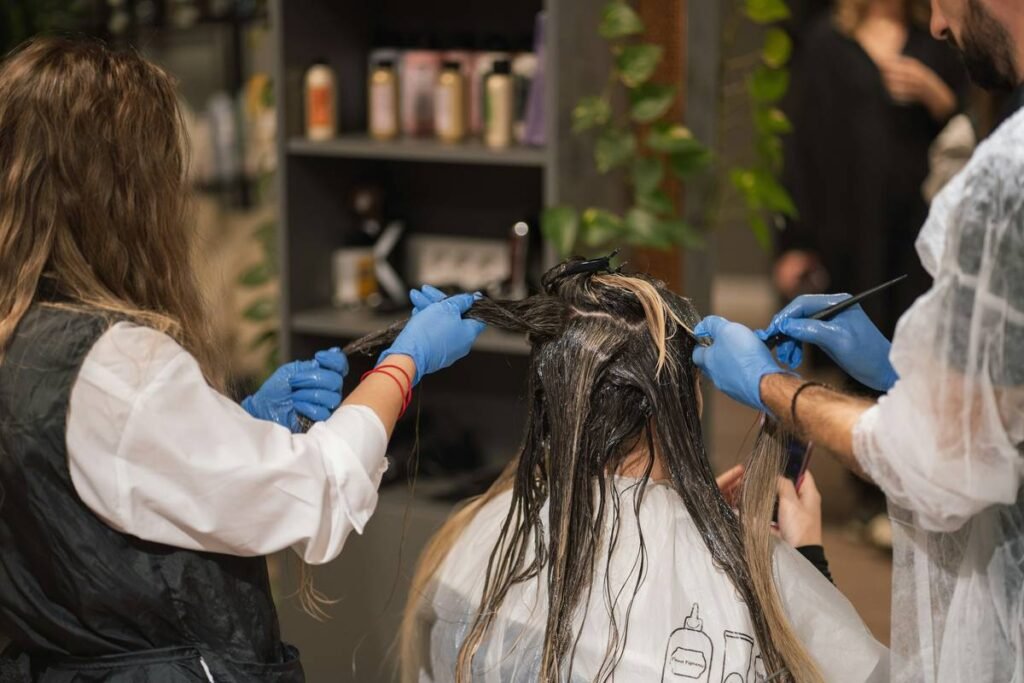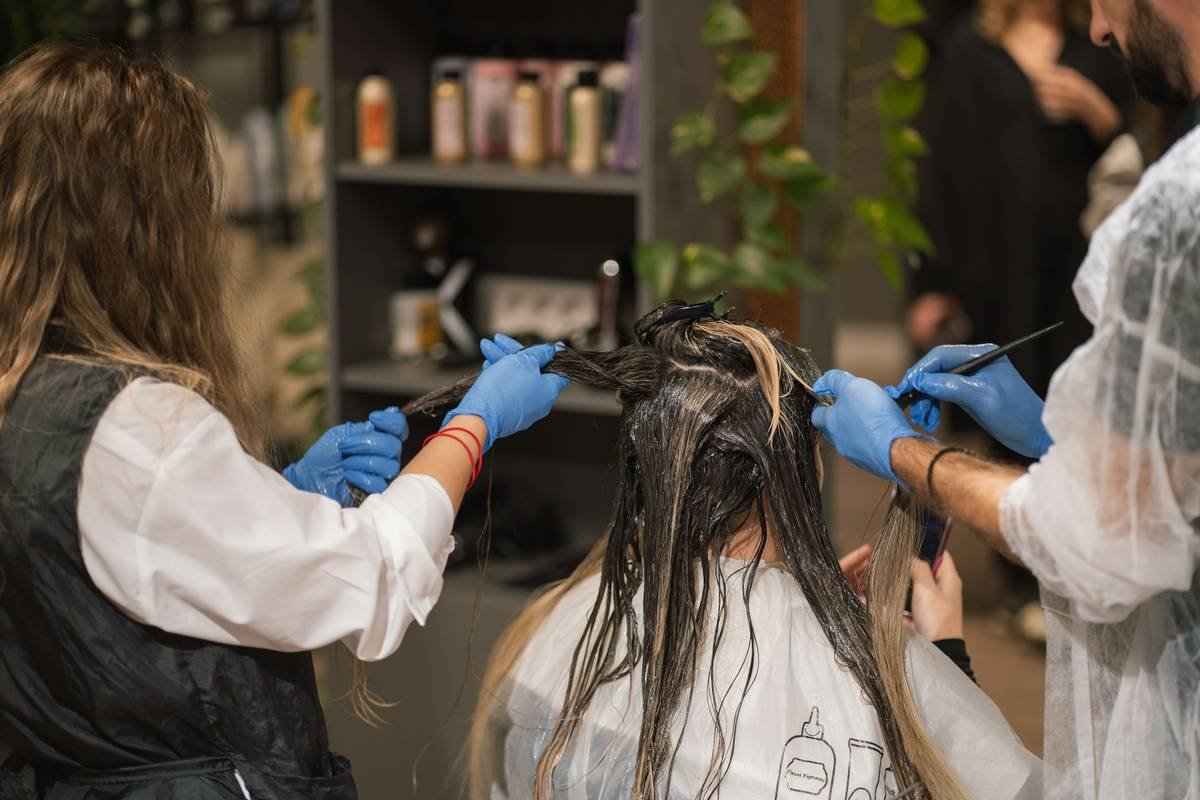
You walked out of the salon thrilled—only to watch your gorgeous salon lowlight designs fade into muddy, brassy oblivion within weeks. Sound familiar? Most clients blame their shampoo. But the real culprit? A rushed consultation and cookie-cutter application that ignores your base tone, undertone, and lifestyle. There’s a better way—and it starts with rejecting the “more is more” myth.
Why 90% of Salon Lowlights Fail Before Month Two
Traditional foiling treats every head like a blank canvas. It’s not.
Your hair has history—sun exposure, past dyes, porosity zones. Ignoring that invites disaster.
And most stylists over-process lowlights trying to “match the photo on Instagram.” Bad math. Lowlights aren’t just darker strands—they’re depth creators. Get the formula wrong, and you flatten dimension instead of enhancing it.
Your Step-by-Step Guide to Long-Lasting, Custom Lowlights
Pre-Service Analysis: The 3-Minute Diagnostic Every Stylist Skips
Before any bleach touches your scalp, demand this:
– Natural base level check (not just current color)
– Porosity test on mid-lengths vs. ends
– Undertone mapping (ash, gold, copper?)
This isn’t fluff—it’s the difference between seamless blend and patchy regret.
Technique Selection: Babylights vs. Ribbon vs. Ombré Lowlights
Babylights? Too fine for dramatic contrast. Ribbon placements? Perfect for shoulder-length cuts needing movement. True ombré lowlights? Rarely work—they look like grown-out roots. Most clients need hybrid placements: tighter around the face, looser at the crown.
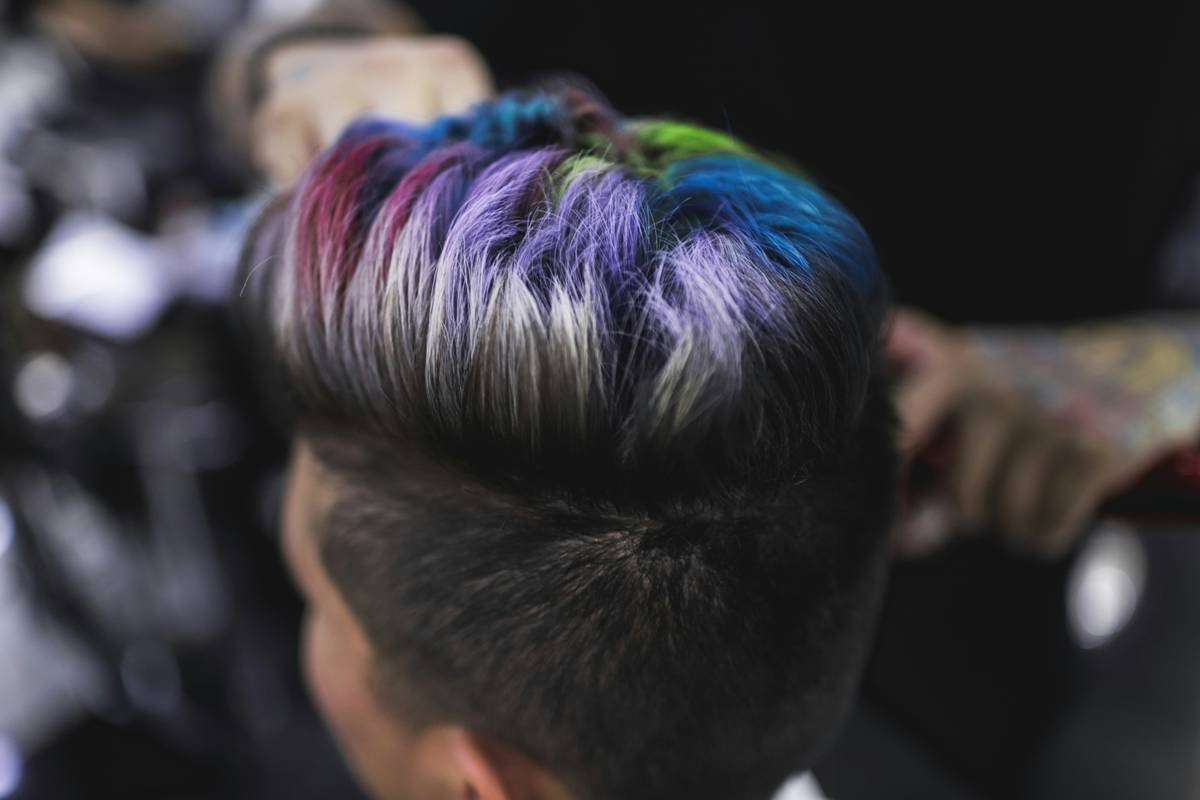
| Method | Best For | Longevity | Avg. Cost (USD) |
|---|---|---|---|
| Hand-Painted Balayage Lowlights | Natural-looking depth; minimal regrowth line | 10–14 weeks | $140–$220 |
| Foil-Placed Micro-Lowlights | High-contrast styles; cool-toned brunettes | 8–12 weeks | $160–$250 |
| Shadow Root + Face-Framing Lowlights | Low-maintenance clients; thick hair | 12–16 weeks | $180–$275 |
Aftercare That Actually Extends Color Life
Yes, sulfate-free shampoo matters—but so does water temperature. Hot showers open cuticles and dump dye fast. Rinse cold. And skip purple shampoos unless you’ve gone ash-brown; they’ll neutralize warmth you *want* in lowlights. Use a bond builder weekly—not just post-service.

The Industry Secret: Lowlights Shouldn’t Match Your Hair—They Should Trick the Eye
Here’s what top colorists won’t tell you: perfect matches kill dimension.
The best salon lowlight designs use tones 1.5–2 levels darker *with shifted undertones*. Warm base? Go slightly cooler in lowlights. Cool base? Add a hint of neutral beige—not black-brown. This creates optical shadow play under light.
And avoid solid panels. Real hair has variation—even in darkness. Streaks should taper, not end abruptly. That’s why hand-painting beats foils for 80% of clients seeking soft, lived-in depth.
Frequently Asked Questions
How often should I get salon lowlight designs redone?
Every 10–12 weeks if using foil techniques; up to 16 weeks with balayage-style placements. It depends on growth rate and contrast level—not calendar months.
Can lowlights cover gray hair effectively?
Yes—but only if your natural base and lowlight shade are within two levels. Stark dark-on-silver creates stripes. Blend with demi-permanent gloss first.
Are lowlights damaging compared to highlights?
Surprisingly, yes—if done poorly. Lowlights often require pre-lightening adjacent strands to avoid muddiness. Demand a strand test before full application.