Flat, one-dimensional hair color screams “DIY disaster” or rushed salon work. You walk out thinking it’ll grow on you—except it doesn’t. It just sits there, lifeless under overhead lights and phone flash. The fix? Not highlights. Not balayage alone. It’s expertly placed lowlights from seasoned lowlight hair stylists who understand depth, not just brightness.
Why Most Colorists Fail at Lowlights
Too many stylists treat lowlights like afterthought shadows—dark streaks slapped between highlights to “add contrast.” That’s not dimension. That’s a grid pattern. Real lowlights blend seamlessly into your base tone, creating movement that shifts with every turn of the head. And yet, most salons prioritize speed over subtlety. They use the same developer strength for lows as they do for highs—cooking pigment unevenly and leaving bands instead of gradients.
And here’s the kicker: many never custom-mix their lowlight formulas. Off-the-shelf “ash brown” rarely matches your natural undertones. The result? A muddy, disconnected look that ages faster than a cheap foundation.
Finding & Working With the Right Lowlight Hair Stylists
Step 1: Audit Their Portfolio Like a Pro
Scroll past the glam shots. Look for mid-length layers in natural daylight—especially on clients with hair texture similar to yours. Do the dark strands flow or interrupt? Great lowlight hair stylists create rhythm, not interruption.
Step 2: Ask About Placement Technique
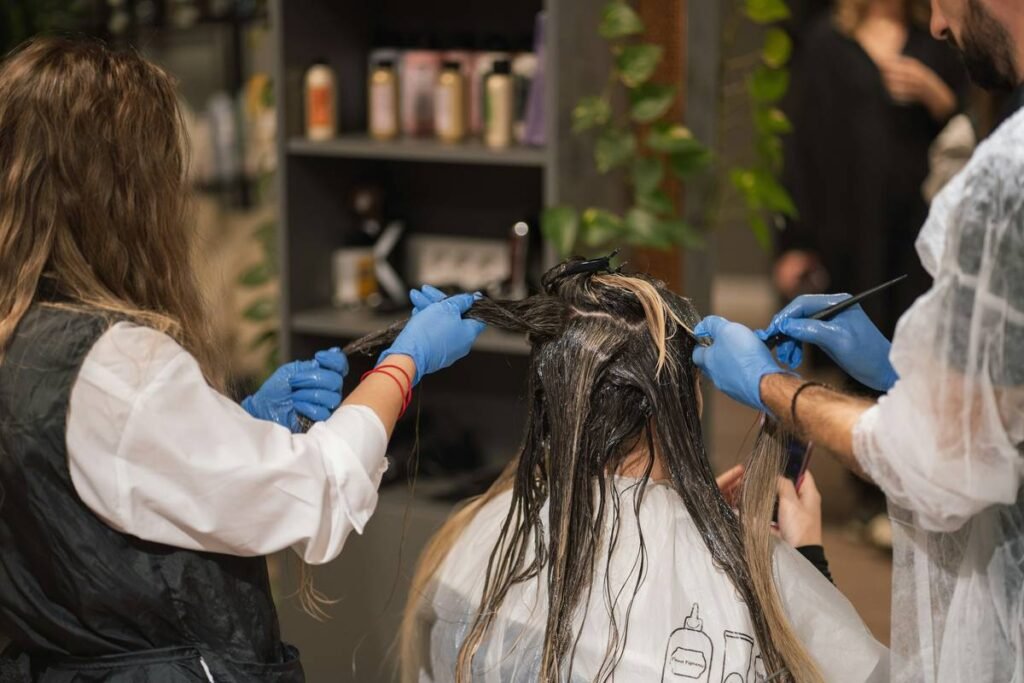
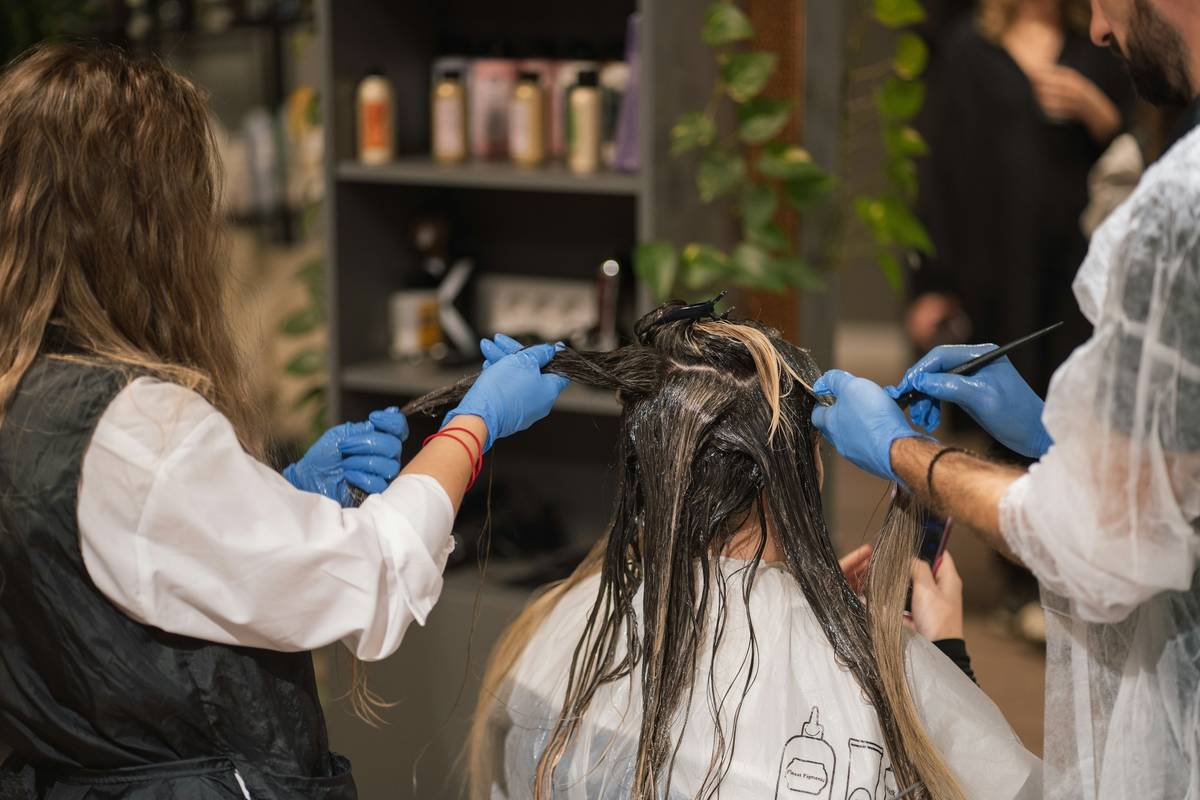
Are they using foil, hand-painting, or slicing? Foils offer precision but can look linear if overused. Hand-painted lowlights (often done with a teasing technique) mimic how shadow naturally falls along the hair shaft. The best stylists switch methods based on your cut and density—not their comfort zone.
Step 3: Understand Maintenance Costs vs. Value
Lowlights actually stretch time between appointments—they grow out more gracefully than highlights because they’re darker than your roots. But pricing varies wildly. Below is a realistic comparison:
| Method | Average Cost | Longevity | Ideal For |
|---|---|---|---|
| Foil Lowlights | $85–$160 | 8–10 weeks | Fine hair needing sharp definition |
| Hand-Painted Lowlights | $110–$200 | 10–12 weeks | Thick, layered cuts craving soft depth |
| Full Dimension (Highlights + Lowlights) | $175–$300 | 12+ weeks | Anyone wanting magazine-level realism |
The Industry Secret: Lowlights Are Your Hair’s Foundation—Not Just an Accent
Here’s what top colorists whisper backstage at fashion weeks: lowlights are the structural base of dimensional hair. Think of them like the bassline in a song—you don’t always notice them, but without them, everything feels thin. Most clients chase brightness, so salons oblige with highlight-heavy services. But the ones returning year after year? They ask for “more shadow.” Smart stylists now layer lowlights first—building a tonal canvas—then add selective brightness on top. This flips the script. Instead of fighting flatness with more light, you anchor vibrancy with intentional darkness. The math is simple: no shadow, no light. Only gray area.
Frequently Asked Questions
Can lowlights cover gray hair?
Not directly—but strategically placed lowlights around graying sections reduce contrast, making regrowth less obvious. They buy you 2–3 extra weeks between root touch-ups.
Do lowlights damage hair less than highlights?
Yes. Since lowlights usually lift less (or not at all), they require weaker developers—or none. Less porosity disruption means stronger strands over time.
How often should I refresh lowlights?
Every 10–12 weeks. Unlike highlights, they soften gracefully as roots grow, often blending better during the in-between phase.