Ever leave the salon with highlights that scream “highlighted” instead of whisper “sun-kissed”? You’re not alone. In a world obsessed with platinum balayage and money pieces, salon lowlights—the subtle, shadowy strands that add depth and richness—are criminally overlooked. But here’s the tea: lowlights are why your favorite influencer’s brunette hair looks like it was kissed by moonlight, not bleach.
In this guide, you’ll discover exactly what salon lowlights are, why they’re a game-changer for flat or faded hair, how to get them done right (and avoid common disasters), and real examples of transformative results. Whether you’re a cool ash blonde drowning in brassiness or a raven-haired beauty craving dimension without drama, this is your roadmap.
Table of Contents
- What Are Salon Lowlights (And Why Do They Matter)?
- How to Get Salon Lowlights Done Right: A Step-by-Step Guide
- Pro Tips for Long-Lasting, Flattering Lowlights
- Real Client Transformations: Before & After Salon Lowlights
- Salon Lowlights FAQs
Key Takeaways
- Salon lowlights add depth, contrast, and natural-looking dimension by weaving darker tones into your base color.
- They’re ideal for toning down overly bright highlights, reviving flat brunettes, or softening harsh grow-outs.
- Unlike highlights, lowlights use permanent or demi-permanent dye 1–3 shades darker than your base.
- Cost averages $100–$300 depending on technique, salon, and hair length.
- Maintenance includes sulfate-free shampoos, toning conditioners, and touch-ups every 8–12 weeks.
What Are Salon Lowlights (And Why Do They Matter)?
If highlights are the spotlight, lowlights are the shadows that give your hair dimension—the unsung heroes of dimensional coloring. While highlights lift strands lighter than your natural base, salon lowlights deposit color that’s slightly darker, creating contrast that mimics how light naturally plays across hair in real life.
I learned this the hard way during my early days as a colorist. I had a client—a stunning natural level 6 golden brunette—who wanted “more shine.” I went full highlight mode. Big. Fat. Mistake. Her hair ended up looking patchy under office lighting, like she’d skipped conditioner for a month. She came back two weeks later near tears. That’s when my mentor handed me a bottle of Wella Color Charm 5/77 (ash brown) and said, “Try weaving these *in*, not taking more out.” Cue the transformation: suddenly her hair had movement, richness, and that elusive “expensive hair” look.
According to the 2023 Hair Color Trends Report by Wella Professionals, 68% of colorists reported increased requests for “dimensional brunette” services—most of which rely heavily on lowlighting techniques. Why? Because flat hair reads as dull, even if it’s healthy. Lowlights trick the eye into perceiving volume, texture, and luminosity.
Grumpy You: “Ugh, sounds like extra work.”
Optimist You: “It’s one appointment for hair that photographs well in Zoom calls AND candlelit dinners. Worth it.”
How to Get Salon Lowlights Done Right: A Step-by-Step Guide
How do I choose the right lowlight shade for my hair?
Your colorist should select a tone 1–3 levels darker than your base, matching your natural undertone (warm, cool, or neutral). For example:
- Cool blondes → ash or beige-brown lowlights
- Warm brunettes → chocolate or caramel lowlights
- Neutral bases → mushroom or taupe tones
Never go more than 3 levels darker—that risks a “chunky” look.
What techniques are used for salon lowlights?
There are three professional methods:
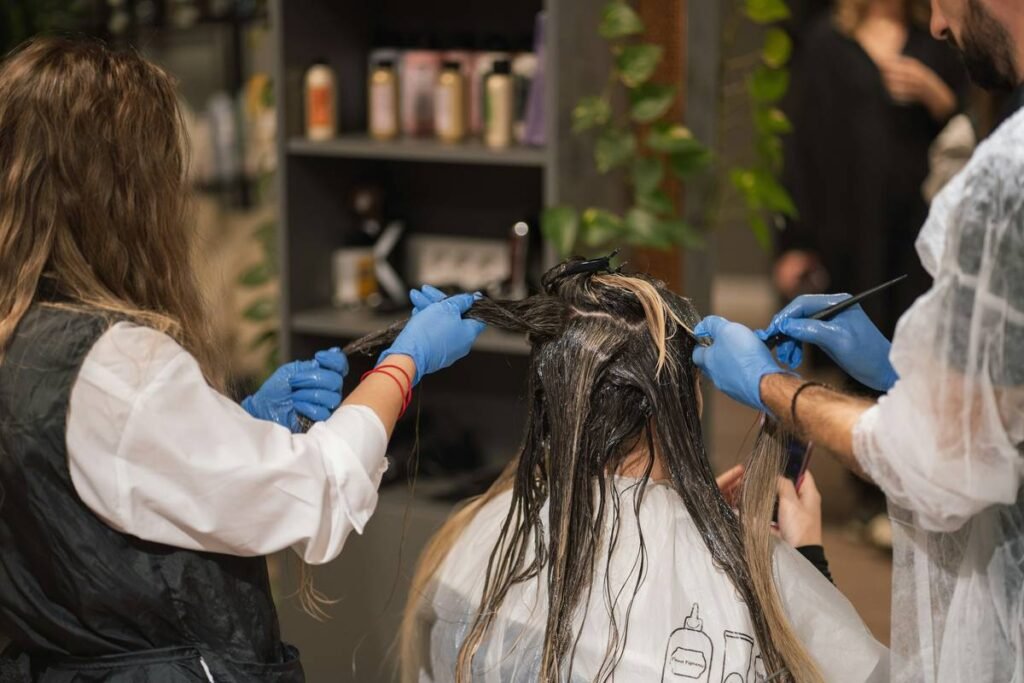
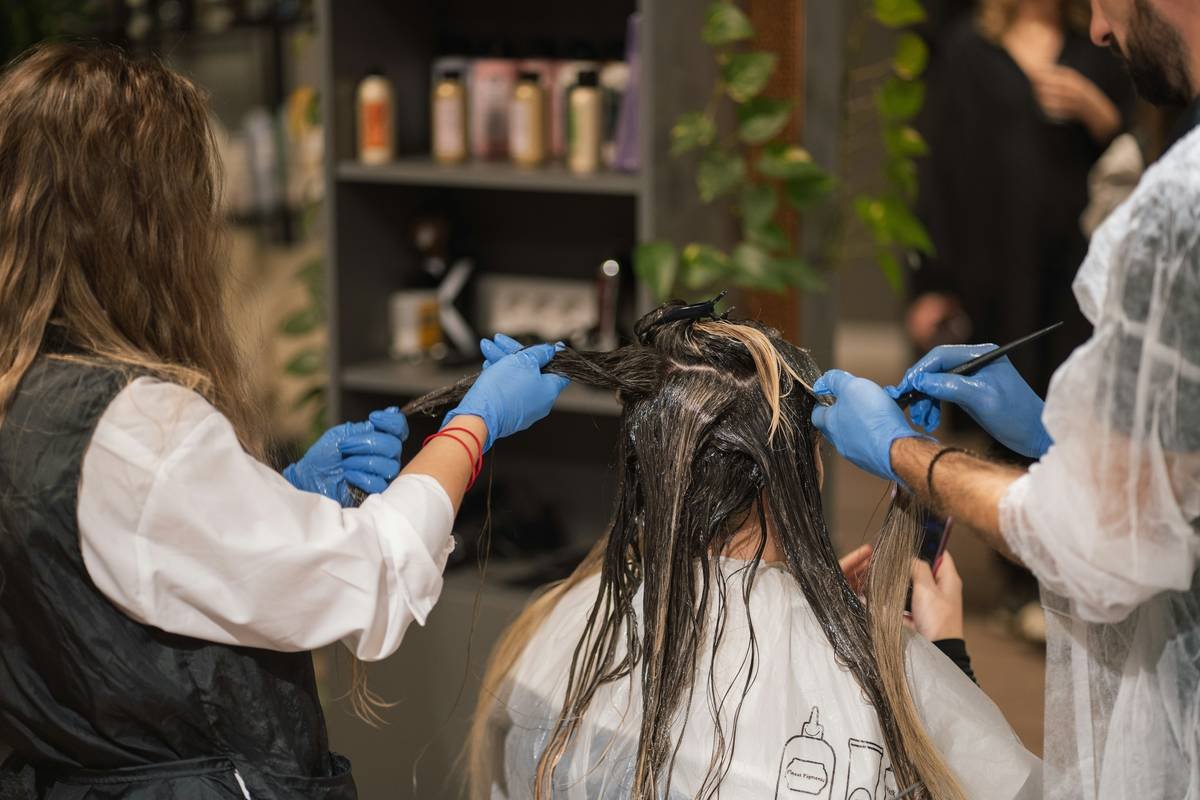
- Foil Lowlights: Strands are isolated with foils for maximum precision (ideal for high-contrast results).
- Balayage Lowlights: Hand-painted downward for soft, blended depth (great for face-framing).
- Weaving: Fine sections are hand-sectioned and dyed without foils for a seamless effect.
For beginners, I recommend starting with balayage lowlights—they’re forgiving and grow out beautifully.
How long does the process take?
Plan for 1.5–3 hours. Foil lowlights take longer (up to 3 hours for long hair), while hand-painted methods clock in around 90 minutes. Always factor in consultation time—your colorist needs to assess porosity, previous color, and scalp health.
Grumpy You: “Three hours? I barely have time to pee!”
Optimist You: “Bring a podcast, charge your phone, and emerge with hair that turns heads. Self-care is productivity too.”
Pro Tips for Long-Lasting, Flattering Lowlights
Want your lowlights to stay rich—not muddy or brassy? Follow these insider practices:
- Use sulfate-free shampoo. Sulfates strip artificial pigment fast. Try Olaplex No.4 or Redken Color Extend Magnetics.
- Tone weekly with purple/blue conditioners. Even lowlights can oxidize. A blue-based conditioner (like Fanola No Yellow) keeps warm tones at bay for brunettes.
- Avoid hot water. Rinse with lukewarm or cool water—it seals the cuticle and locks in color.
- Schedule gloss treatments. A clear or tinted gloss every 6 weeks refreshes depth and adds shine without lifting.
- Don’t over-highlight first. If your base is already very light, lowlights may not take evenly. Consult your colorist about pre-toning.
Terrible Tip Alert: “Just DIY with box dye!” Nope. Applying darker dye over existing color without strand testing can result in uneven absorption, greenish tones (yes, really), or irreversible damage. Salon pros understand pigment theory—trust them.
Real Client Transformations: Before & After Salon Lowlights
Last winter, “Maya” (name changed), a 32-year-old marketing exec, walked into my chair with faded copper highlights and flat, mousy brown roots. She felt her hair looked “washed out” in winter lighting. We decided on cool mushroom lowlights (Wella Koleston 6/1 + 5/1 mix) using the weaving technique through her mid-lengths and ends.
Result? Her hair gained instant dimension, appearing thicker and more vibrant—even without highlights. Six weeks later, she emailed: “My husband asked if I got a haircut because my hair ‘has more body.’” That’s the power of strategic shadow.
Another case: “James,” a male client with natural salt-and-pepper hair, wanted to soften the contrast between gray temples and dark crown. Instead of full coverage, we added lowlights (level 4N) only at the front. The effect was subtle but striking—his hair looked uniformly rich, not “colored.”
These aren’t magic tricks—they’re science-backed color placement leveraging how human vision perceives contrast and depth.
Salon Lowlights FAQs
Are lowlights damaging to hair?
No more than standard coloring. Since lowlights deposit color (rather than lift it), they’re actually gentler than highlights. Demi-permanent formulas cause minimal damage.
How much do salon lowlights cost?
Nationwide averages range from $100 (partial, short hair) to $300+ (full, long hair with complex formulation). Urban salons typically charge more, but check platforms like StyleSeat for promotions.
Can I get lowlights if I have gray hair?
Absolutely! Lowlights blend grays seamlessly by adding depth to surrounding strands, reducing stark contrast. Avoid going too dark—match your natural non-gray base.
Do lowlights work on black hair?
Yes, but subtly. On level 1–2 hair, lowlights use cool espresso or blue-black tones to enhance shine and prevent flatness under light.
How often do I need a touch-up?
Every 8–12 weeks. Unlike root-focused highlights, lowlights grow out gracefully since they’re placed mid-shaft to ends.
Conclusion
Salon lowlights aren’t just an afterthought—they’re the secret weapon for hair that looks alive, luxurious, and naturally dimensional. Whether you’re toning down overdone highlights, reviving a flat brunette mane, or blending grays with finesse, lowlights deliver sophistication without flashiness.
Remember: great lowlights require a skilled colorist who understands depth, undertone, and placement. Don’t settle for “just darker streaks.” Ask to see their portfolio, book a consultation, and bring reference photos (Pinterest works!). Your future self—with hair that looks expensive even in gym lighting—will thank you.
Now go forth and embrace the shadows. Your highlights will thank you too.
Like a flip phone in 2004, some classics never die—they just get a glossy upgrade.