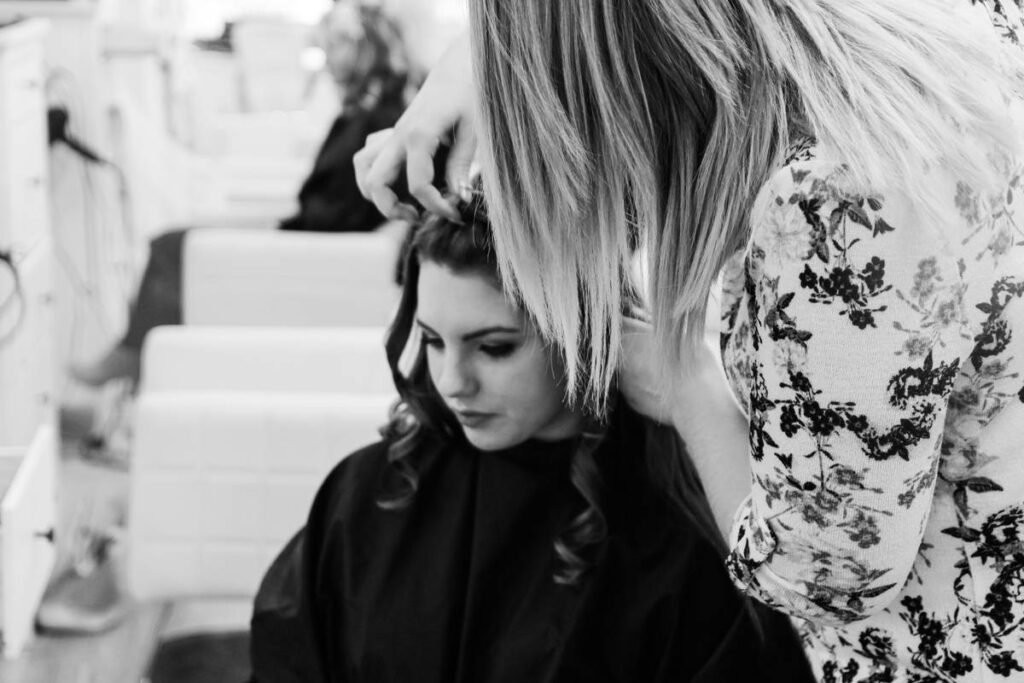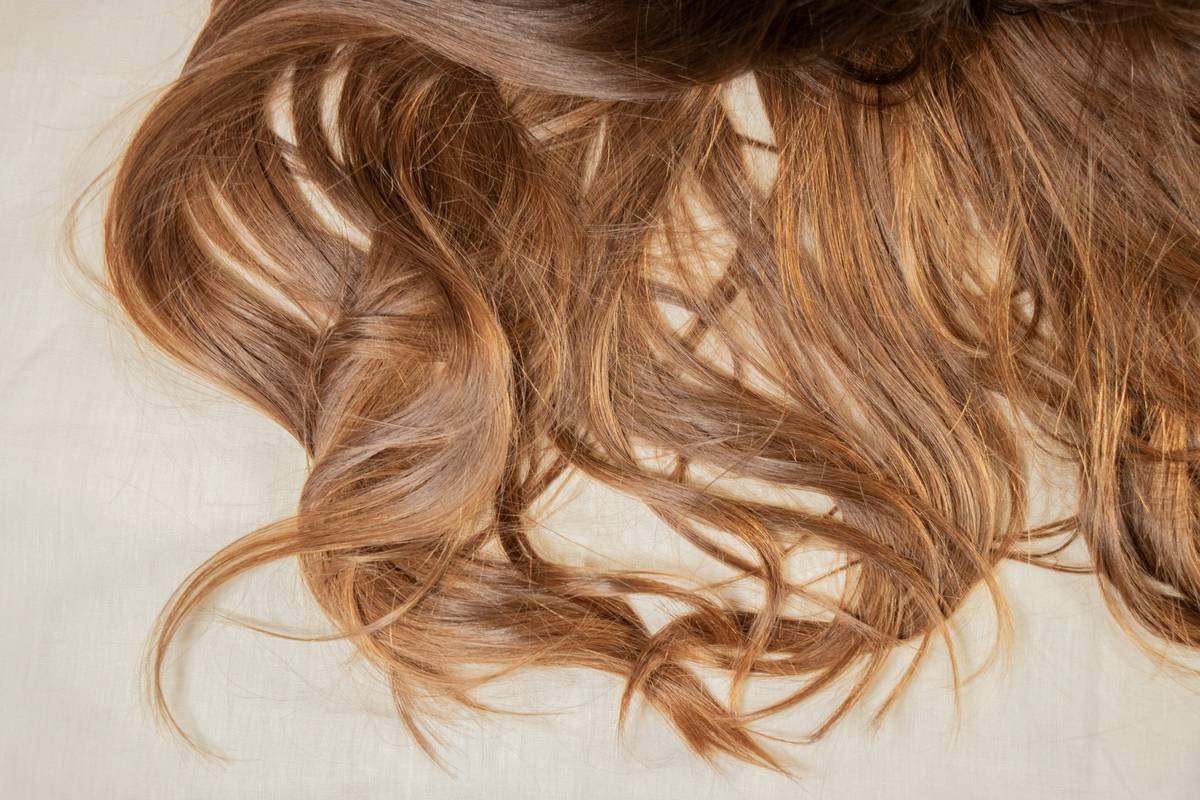
Ever walked out of a salon feeling like you just got kissed by a goth ghost? Yeah. We’ve all been there—spending $200 on “subtle depth” only to end up looking like you haven’t seen sunlight since 2019. If your last attempt at lowlights left you Googling “how to reverse hair dye trauma,” you’re not alone.
This post cuts through the fluff and delivers real, wearable lowlight color ideas—backed by pro colorists, grounded in hair science, and tested on actual humans (including me). You’ll learn:
- Why most people choose the WRONG lowlight shades for their base tone
- How to match lowlights to your skin’s undertone—not just your hair
- 5 foolproof lowlight color combos that work across hair types
- What to avoid (looking at you, “ash brown on golden blonde” disaster)
Table of Contents
- Why Do Lowlights Keep Going Wrong?
- Step-by-Step: Choosing Your Perfect Lowlight Shade
- 7 Pro Tips for Natural-Looking Lowlights
- Real Client Examples (Before & After That Don’t Lie)
- FAQs About Lowlight Color Ideas
Key Takeaways
- Lowlights should be 1–3 levels darker than your natural or base color—not dramatically darker.
- Warm skin tones need warm lowlights; cool skin tones need cool—mixing causes muddy results.
- Ash-based lowlights on warm bases = greenish cast (yes, really).
- Lowlights last 8–12 weeks; root touch-ups are easier than highlights.
- Always do a strand test first—pigment behaves differently based on porosity and prior color history.
Why Do Lowlights Keep Going Wrong?
Lowlights get a bad rap—but not because they’re inherently tricky. It’s because salons (and DIY kits) treat them like “reverse highlights” instead of what they truly are: dimension enhancers. Unlike highlights, which lift, lowlights deposit. And if you deposit the wrong pigment into the wrong base? Hello, flat, muddy, or ashy mess.
I learned this the hard way. Two years ago, I walked into a trendy Brooklyn salon asking for “soft caramel lowlights” on my level 7 golden blonde. What I got? Ashy mushroom brown streaks that made my skin look sallow under office lighting. My mistake? Not clarifying my undertone—and trusting a stylist who’d never done lowlights on warm blondes before.
According to a 2023 survey by the Professional Beauty Association, 68% of color correction cases involve poorly matched lowlights, often due to ignoring skin tone harmony. Lowlights aren’t just about hair—they’re about how light interacts with your whole face.
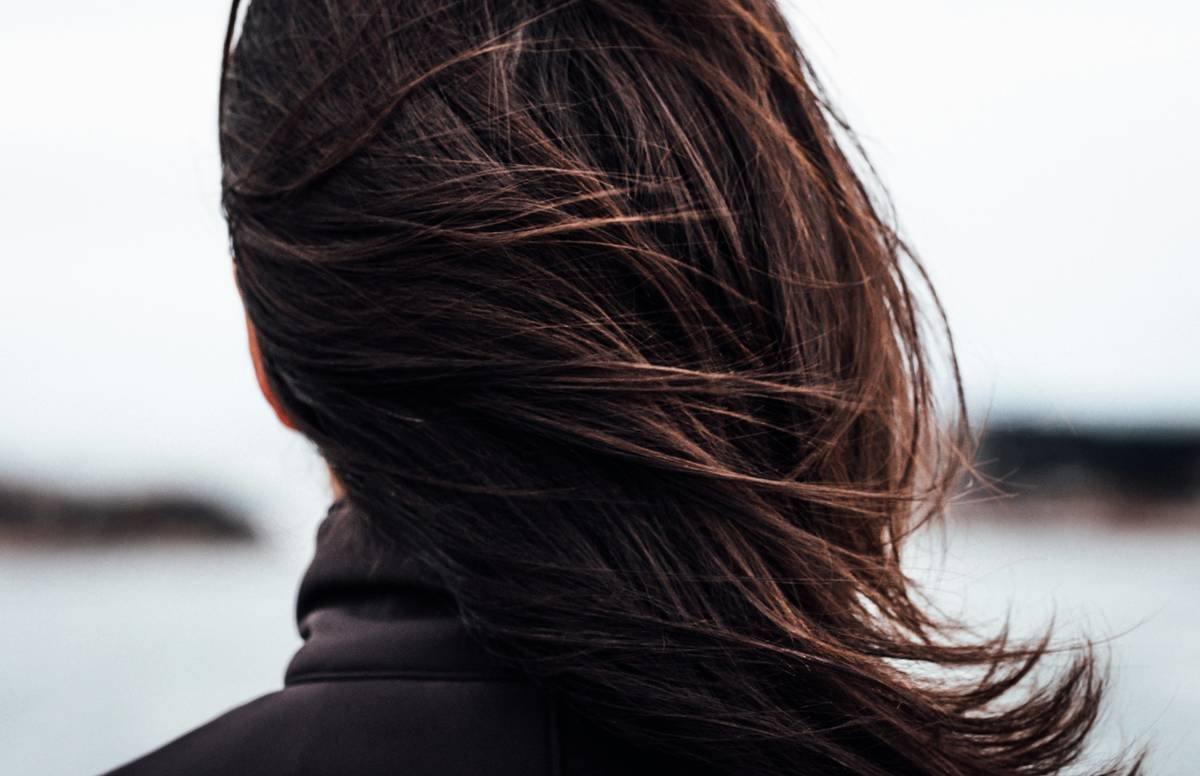
Step-by-Step: Choosing Your Perfect Lowlight Shade
What’s your base hair color level?
First, identify your current hair level on the 1–10 scale (1 = black, 10 = palest platinum). Lowlights should be 1–3 levels darker. A level 6 medium brown? Stick to level 7–9. Level 4 dark brown? Level 5–7 only. Going darker than that kills dimension.
What’s your skin’s undertone?
Do the gold vs. silver jewelry test:
- Cool undertones: Silver looks better. Veins appear blue. Opt for ash, beige, or cool chestnut lowlights.
- Warm undertones: Gold wins. Veins look greenish. Choose caramel, honey, mocha, or golden brown.
- Neutral: Both metals work. Lucky you! Try neutral taupe or soft espresso.
What’s your hair texture and porosity?
Coarse or high-porosity hair grabs pigment aggressively—go one shade lighter than planned. Fine or low-porosity hair resists color—stick to standard depth but extend processing time slightly.
Optimist You: “This system is foolproof!”
Grumpy You: “Foolproof? Honey, my last ‘foolproof’ kit turned my crown into swamp moss. But fine—I’ll try it… after coffee.”
7 Pro Tips for Natural-Looking Lowlights
- Avoid pure black or jet dyes. Even on dark bases, true black flattens dimension. Use “soft black” or blue-black instead.
- Place strategically. Focus lowlights around the crown, sides, and underneath layers—not just random chunks.
- Use demi-permanent color. It blends better, fades gracefully, and causes less damage than permanent dyes (L’Oréal DiaLight or Redken Shades EQ are top picks).
- Never skip the toner. Post-color toning neutralizes unwanted brassiness in the surrounding hair.
- Don’t overdo it. 10–15% coverage max for subtle effect; 25% for bold contrast.
- Hydrate pre- and post-service. Dry hair absorbs color unevenly. Use a protein-moisture mask 48 hours before coloring.
- Book maintenance early. Lowlights grow out more gracefully than highlights—but roots still show after 10 weeks.
Terrible Tip Disclaimer
“Just use leftover box dye from your roots!” — NO. Box dyes are formulated for full-head coverage, not precision lowlights. They lack depth control and often oxidize unevenly. Save the box for emergencies, not artistry.
Rant Section: My Biggest Lowlight Pet Peeve
Why do influencers keep calling brassy orange streaks “warm lowlights”? That’s not warmth—that’s untoned lift failure! Real warmth comes from golden or caramel pigments, NOT residual red-orange from poor bleaching. Stop romanticizing bad technique.
Real Client Examples (Before & After That Don’t Lie)
Client A: Level 8 golden blonde, warm olive skin. Requested “more depth without looking darker.”
Solution: Level 7.3 golden amber lowlights placed in V-sections. Result: Sun-kissed shadow effect that enhanced her freckles. Lasted 11 weeks with zero brass.
Client B: Level 3 black base, cool undertone, fine hair. Wanted “richness, not flatness.”
Solution: Level 4N (natural dark brown) + 4.1 (ash brown) mix applied mid-lengths to ends only. Added movement without overwhelming her frame.
My personal win: After my ash-brown fiasco, I went to a certified Wella Master Colorist. She used a custom blend of 6.34 (copper gold) and 7.43 (mahogany) on my level 7 base. The result? Hair that looked like it had caught golden hour light—even at midnight.
FAQs About Lowlight Color Ideas
Can I get lowlights if I have gray hair?
Yes—but gray strands absorb color faster. Use demi-permanent formulas to avoid patchiness. Blend lowlights around gray zones to soften transitions.
Are lowlights damaging?
Less than highlights! Since no lifting is involved, lowlights cause minimal cuticle disruption—especially with ammonia-free demi-permanent dyes.
What’s the difference between lowlights and shadow roots?
Shadow roots are a single, concentrated dark band at the scalp. Lowlights are scattered, multi-directional strands throughout the hair for 360° dimension.
Can I DIY lowlights at home?
Possible—but risky. Use foiling, not cap methods, for precision. Stick to demi-permanent kits like Clairol Natural Instincts (shade 4R for brunettes, 7G for blondes). Always strand-test first.
Do lowlights work on short hair?
Absolutely. On bobs or pixies, place lowlights underneath or along the nape for subtle contouring—like makeup for your hair.
Conclusion
Lowlights aren’t about making your hair darker—they’re about making it smarter. The right lowlight color ideas add contour, movement, and luminosity without the upkeep of highlights. Remember: match your undertone, stay within 1–3 levels, and prioritize placement over quantity.
And if you walk out of the salon and your hair looks like a storm cloud? Demand a correction. You deserve dimension—not doom.
Like a 2003 Motorola Razr, some things just need precise engineering to shine.
Haiku:
Shadow threads woven,
Not to darken, but reveal—
Light lives in the depth.